
wet room screens
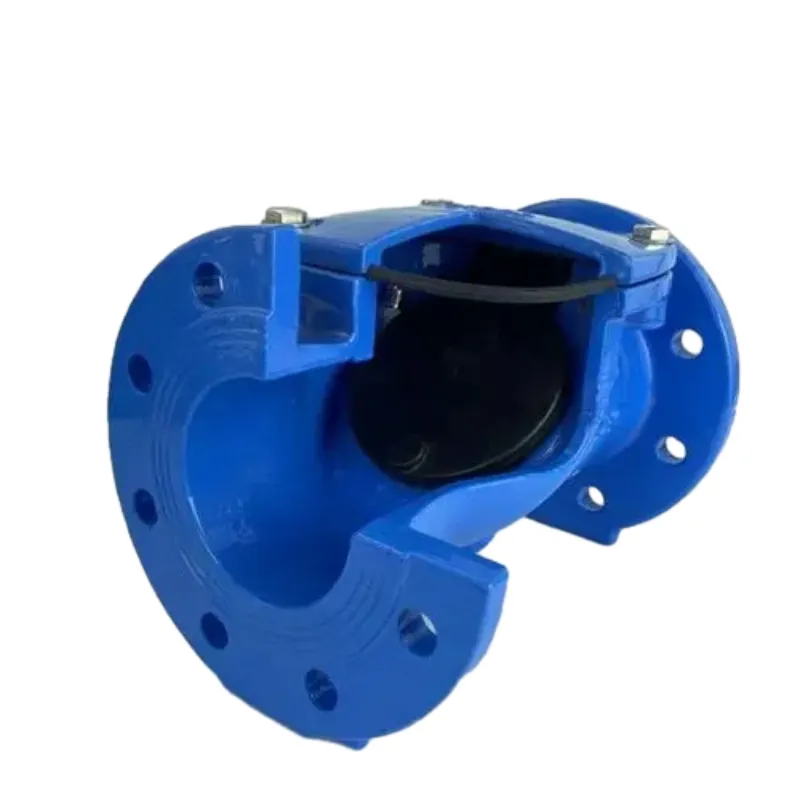
Y-kształtny filtr Kluczowy element w systemach hydraulicznych W dzisiejszych czasach, gdy efektywność systemów hydraulicznych jest na pierwszym miejscu, kluczową rolę odgrywają różnorodne akcesoria. Jednym z najważniejszych elementów są filtry, które zabezpieczają system przed zanieczyszczeniami. W tym kontekście Y-kształtny filtr wyróżnia się swoimi unikalnymi właściwościami i zastosowaniem. Y-kształtny filtr Kluczowy element w systemach hydraulicznych Podstawowym zadaniem Y-kształtnych filtrów jest ochrona innych elementów instalacji hydraulicznych, takich jak pompy, zawory czy sprzęgła, przed zanieczyszczeniami. Zanieczyszczenia mogą prowadzić do uszkodzeń, obniżenia wydajności czy wręcz awarii całego systemu. Dlatego regularne czyszczenie i konserwacja filtrów są niezbędne dla prawidłowego funkcjonowania instalacji. y shaped strainer Y-kształtny filtr można zainstalować w różnych miejscach systemu hydraulicznego, w tym na wlotach pomp, przed zaworami czy w ramach układów chłodniczych. Dzięki swojej konstrukcji, filtr ten pozwala na łatwy dostęp do siatki filtrującej, co ułatwia jej konserwację i czyszczenie. Wiele modeli wyposażonych jest w specjalne wskaźniki, które informują o konieczności wymiany lub czyszczenia wkładu filtrującego. Jednym z kluczowych atutów Y-kształtnych filtrów jest ich efektywność w różnych warunkach pracy. Bez względu na to, czy medium jest cieczą czy gazem, filtr ten zapewnia niezawodne działanie, co sprawia, że jest on często wybieranym rozwiązaniem w przemyśle. Ich wszechstronność sprawia, że modele te znajdują zastosowanie w różnych sektorach, takich jak przemysł chemiczny, naftowy, czy też w systemach HVAC. Podsumowując, Y-kształtny filtr to istotny element każdego systemu hydraulicznego. Jego projekty i funkcjonalność wpływają nie tylko na trwałość całej instalacji, ale również na jej efektywność. Dzięki możliwości dostosowania do różnorodnych warunków pracy, Y-kształtny filtr jest nie tylko praktycznym, ale także niezwykle ważnym komponentem, który przyczynia się do sukcesu wielu projektów inżynieryjnych. Regularna konserwacja oraz świadomość o znaczeniu filtrów w systemach hydraulicznych mogą znacząco wpłynąć na ich żywotność i działanie.
about
wet room screens
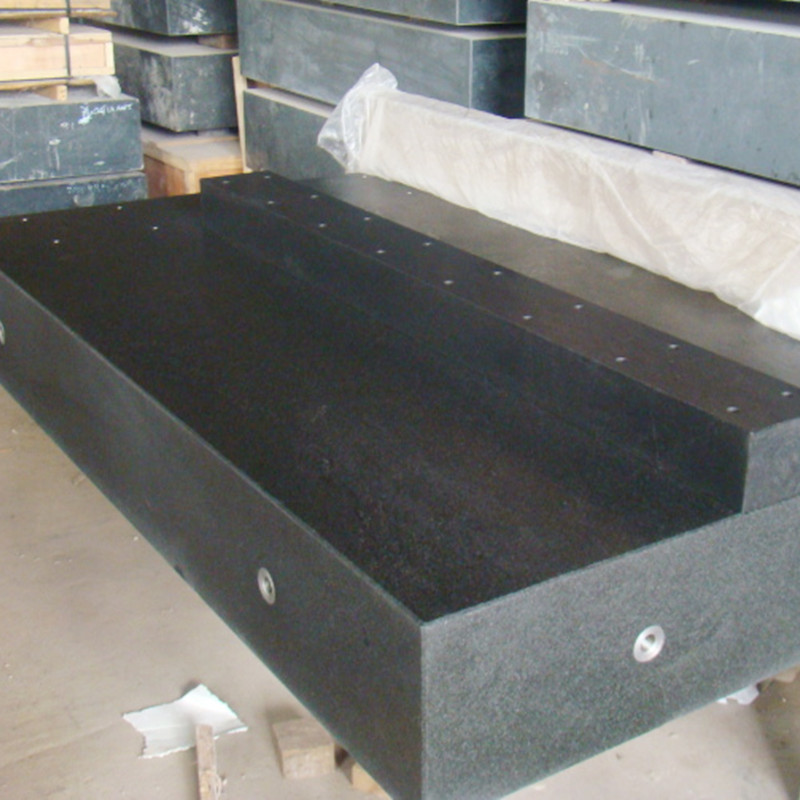
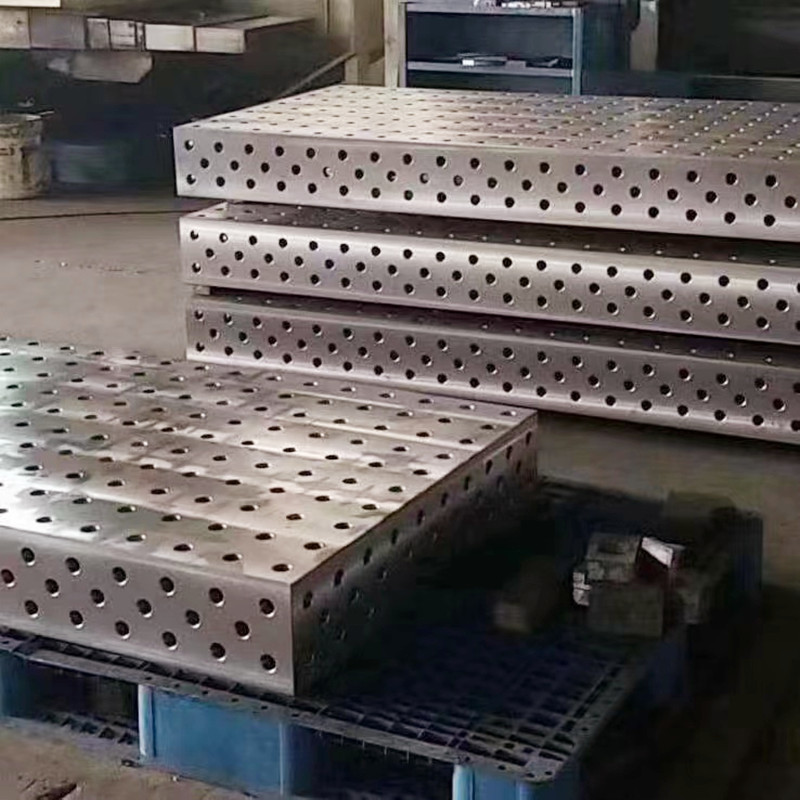
Why a measurement platform still anchors modern quality control Factories love buzzwords, and metrology is having a moment. AI checks, digital twins, edge analytics… yet, on every serious shop floor I visit, the quiet hero is still a rock-solid measurement platform . To be honest, when you dial in flatness and stability, you eliminate a lot of downstream noise. That’s where STR Machinery’s unit from Botou, Cangzhou (No.17, Building 11, Hardware Building Material City, Hebei, China) keeps popping up in conversations—wear resistant, stable, and, as many customers say, “hard to deform” even under daily abuse. Industry trends (and what buyers actually ask for) Two shifts stand out: tighter GD&T tolerances in EV and aerospace work, and the spread of inline verification. That means a measurement platform has to pair high flatness grades with decent mobility, vibration damping, and easy re-certification. Surprisingly, customization is now the norm—T-slots for clamping, inserts for jigs, and surface finishes that don’t bruise optics or delicate housings. Core specifications at a glance Base materials High-strength cast iron (HT250/GG25) or granite (black/diabase), application-driven Flatness grades Grade 00 / 0 / 1 per DIN 876, ISO 8512; ≈3–10 μm per meter (real-world use may vary) Surface finish Ra ≤ 1.6 μm (scraped cast iron) or honed granite Hardness / density Cast iron HB 170–220; Granite density ≈2.9 g/cm³ Load capacity Up to 5,000 kg (custom frames/stands available) Options T-slots, inserts (M8–M16), lifting points, leveling feet, vibration-isolation pads Process flow and quality controls Materials: selected cast iron with controlled pearlitic matrix or low-porosity granite blocks. Methods: stress relief (thermal aging), rough machining, semi-finish milling, fine scraping/lapping, final hand calibration. Testing standards: flatness verified per DIN 876 and ISO 8512; spot pattern checks, autocollimator sweeps, and repeatability mapping. Test data example: Grade 00, 1000×1000 mm, flatness ≤ 3.5 μm; repeatability ±1.5 μm; traceability via ISO/IEC 17025 lab certificates. Service life: around 8–12 years in typical machining environments; longer with covers and periodic re-scrape. Industries: EV drivetrains, aerospace brackets, precision molds, medical device housings, optics assembly. Why this measurement platform wins on the floor It’s the combination: wear resistance, stubborn stability, and—actually—a finish that forgives real-world handling. The origin matters too; Botou’s casting and stoneworking ecosystem keeps lead times sane. Certifications? The factory quality system aligns with ISO 9001, and calibration reports can be issued by ISO/IEC 17025-accredited partners. Customers tell me they notice fewer reworks after swapping in this measurement platform , especially for parts with tight positional tolerances. Vendor comparison (quick, practical view) Vendor Material Flatness grades Max size Lead time Notes STR Machinery Cast iron / Granite 00 / 0 / 1 ≈3000×2000 mm 4–6 weeks Strong customization, fair pricing Vendor A Granite only 0 / 1 ≈2000×1500 mm 6–8 weeks Great polish, fewer options Vendor B Cast iron 0 / 1 ≈2500×1500 mm 5–7 weeks Solid basics, limited T-slots Customization and real-world feedback Options span stand height, epoxy infill, coolant-safe coatings, and datum tag engraving. Shipping crates are moisture-controlled—small detail, big impact. One EV plant reported a 22% drop in gauge R&R variation after moving critical checks onto this measurement platform . A medical device assembler (clean area) liked the low particle shedding of the honed granite version—less wipe-down between lots. Application snapshots Automotive powertrain: fixture plates bolted to the measurement platform for inline cam-cap height checks. Mold shop: blueing and scraping on cast iron measurement platform to recondition reference faces. Optics: granite measurement platform under vibration pads for lens barrel coaxiality checks. Standards and traceability matter. Specify the grade you need, ask for a calibration map, and—this is my usual nudge—budget a re-verification every 12–18 months or after a move. References DIN 876: Flatness tolerances for surface plates. ISO 8512-1/-2: Surface plates — Granite and Cast Iron — Specifications and verification. ASME B89.3.7: Granite surface plates — Methods for inspection. ISO 9001:2015 — Quality management systems — Requirements. ISO/IEC 17025: General requirements for the competence of testing and calibration laboratories.
-

High quality industrial productsagement

High quality industrial products
View Details -

Meet the diverse needs of customers

Meet the diverse needs of customers
View Details -

Strict quality control

Strict quality control
View Details -

Top raw materials

Top raw materials
View Details -

Trusted supplier

Trusted supplier
View Details
Our application
news and information
Versatile 5x10 Foot Welding Table for Efficient Metalworking Projects and Fabrication
The Importance of a 5x10% Welding Table in Modern Metal Fabrication Welding is an essential process

Van bướm 6 inch chất lượng cao cho hệ thống ống nước
Van bướm 6 inch Giải pháp hoàn hảo cho hệ thống ống dẫn Trong ngành công nghiệp hiện đại, việc quản
welding table clamps
The Importance of Welding Table Clamps in Metalworking Welding is a fundamental process in metalwork
 English